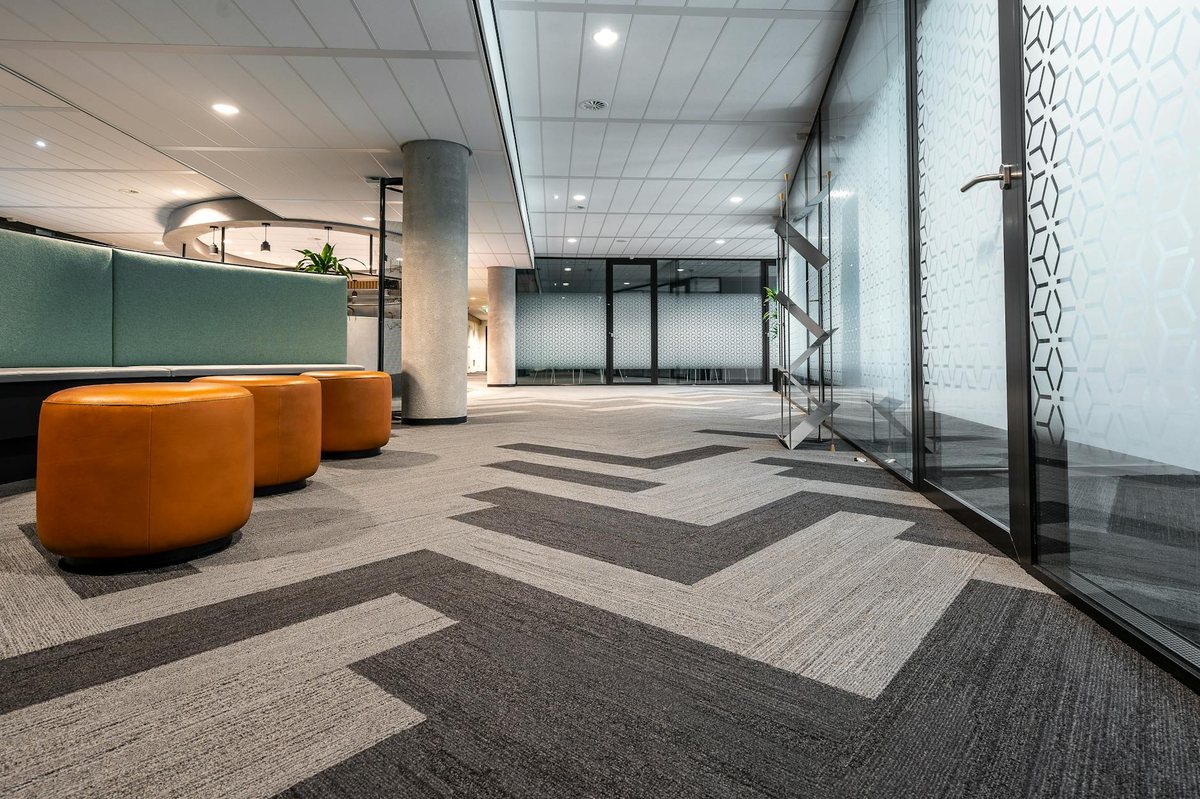

The Optus Glean promise: predictability
Three pillars. Three commitments. No exceptions.
Predictable cost. One fixed monthly fee, set against a defined scope and an annual indexed review. No variable hours. No surprise invoices. No padded callout charges. Budgeted once, paid by Direct Debit, reviewed once a year.
Predictable presence. The site is cleaned every day it is meant to be cleaned. A named primary cleaner is rostered to your contract, supported by a named relief who is already vetted, inducted, and trained on the same colour-coded system and IPC standard. The schedule does not depend on whether one person is available on one day.
Predictable freedom. A single point of accountability. One contract. One named manager. One number to call. Cleaning is no longer a problem the office has to manage — it is a service that runs.
Why cleaning in Ireland is structurally hard to get right
Most cleaning provision in Ireland — including in healthcare-adjacent settings — is delivered by a workforce that is structurally part-time and casual. A significant proportion of operatives across the sector also work as healthcare assistants in nursing homes, residential care, and acute hospitals. Cleaning shifts are typically taken when healthcare shifts are not available, and released when they are. This pattern is consistent with CSO labour data on accommodation, food, and administrative-support employment, and it is the underlying reason that buyers across Ireland encounter inconsistency from agencies they have contracted in good faith.
The pattern is reinforced by two background pressures specific to Ireland. Housing affordability limits the catchment for any role paying at or near the minimum wage. The Contract Cleaning Employment Regulation Order rate of €14.80 per hour for 2026, set under the Labour Court's sectoral employment framework, sits close enough to flexible care-sector pay that operatives drift toward whichever shift pays slightly more on the day. Both pressures pull cleaning staff away from contracted shifts and toward casual healthcare work.
The result, from the buyer's perspective, is the experience most practice managers, facilities leads, and procurement officers in Ireland describe: a clean that is half-completed when the contracted cleaner is available, missed entirely when they are not, and accompanied by recurring conversations with the agency about cover that may or may not arrive.
This is the structural problem Optus Glean is built to solve. Our operatives are fully PAYE-employed with guaranteed weekly hours, paid leave, and pension contributions under Irish auto-enrolment. They are paid above the ERO floor deliberately — because the structural reliability of the service depends on the cleaner choosing to remain in the role rather than rotating through casual healthcare shifts. A named primary cleaner is assigned to your site, supported by a named relief, both Garda-vetted and trained to Optus Glean's documented HIQA-aligned IPC standard.
Why Churches Need Professional Cleaning
Churches and places of worship in Ireland are unique buildings. Many are centuries old, built from limestone, sandstone, or granite, with features including stained glass windows, carved wooden pews, marble altars, brass fixtures, and vaulted ceilings that reach heights of 15 metres or more. These buildings were designed to inspire awe and reverence — and they deserve cleaning that matches their significance.
The cleaning challenge in a church is fundamentally different from a commercial building. Standard cleaning products can damage historic stonework, discolour marble, strip patina from brass, or deteriorate the lead came in stained glass. Abrasive cleaning methods can scratch delicate surfaces that have survived for centuries. High ceilings, galleries, and bell towers present working-at-height challenges that require proper equipment and training. And the scheduling must work around a calendar of services, weddings, funerals, baptisms, and community events that varies from week to week.
Optus Glean provides church cleaning services across Ireland, from small rural parish churches to large urban cathedrals and multi-faith centres. Our operatives are trained in heritage building care, using pH-neutral products and non-abrasive techniques that preserve historic features while delivering thorough, professional cleaning.
Nave and Sanctuary Cleaning
The nave — the main body of the church where the congregation sits — is the largest area requiring regular cleaning. Pews, kneelers, floors, and aisles accumulate dust, dirt, and debris from regular use, and the high ceilings, window ledges, and light fittings gather cobwebs and airborne dust over time.
- Pew cleaning: wood surface dusting and polishing with appropriate wood care products, hymn book and leaflet holder tidying
- Kneeler cleaning: fabric vacuuming, spot treatment, periodic deep cleaning
- Floor care: stone floor mopping with pH-neutral cleaner, carpet vacuuming, tile cleaning
- Aisle and pathway cleaning: sweeping, mopping, or vacuuming depending on floor type
- High-level dusting: cobweb removal from ceilings, beams, light fittings, and window ledges (using telescopic equipment)
- Radiator and heating system cleaning: dust removal from radiators, vents, and heating registers
The sanctuary — the altar area — requires particularly careful cleaning. The altar, lectern, tabernacle, and sanctuary furnishings are treated with the utmost respect. Our operatives are briefed on which items may be moved for cleaning and which must remain in place. Sacred vessels and liturgical items are not handled by cleaning staff — they are the responsibility of the sacristan or clergy.
Vestry and Sacristy Cleaning
The vestry or sacristy is the working space of the church — where clergy prepare for services, vestments are stored, and parish administration takes place. This area requires regular office-style cleaning combined with careful handling of the vestments, sacred vessels, and liturgical items stored there.
Our vestry cleaning covers floor care, surface dusting and cleaning, storage cupboard exterior cleaning, kitchen and refreshment area cleaning, washroom maintenance, and waste removal. Vestment wardrobes and storage for sacred vessels are cleaned around — items are never moved without the sacristan's authorisation.
Community Hall and Parish Centre Cleaning
Most churches in Ireland have an attached community hall or parish centre that sees heavy use — parish meetings, community groups, scouts, children's activities, social events, and sometimes weekly markets or craft fairs. These spaces require robust cleaning after events and regular maintenance cleaning.
Our community hall cleaning covers floor cleaning (mopping, scrubbing, or vacuuming), table and chair cleaning and stacking, kitchen and catering area cleaning (including HACCP compliance for events with food service), stage or platform cleaning, washroom deep cleaning and consumable replenishment, and waste removal including recycling. We offer both scheduled cleaning and post-event cleaning — many parishes use a combination of both.
Heritage Building Care
Many churches in Ireland are protected structures under the Planning and Development Act 2000. This means that any work that could affect the character of the building — including inappropriate cleaning — may require planning permission and could constitute a legal offence if carried out without authorisation. Optus Glean takes heritage obligations seriously.
- pH-neutral cleaning products for all stone surfaces (limestone, marble, sandstone, granite)
- No abrasive cleaning methods on any original surface
- Stained glass cleaned from interior only, using soft microfibre cloths and specialist glass solutions
- No ammonia-based products near stained glass or painted surfaces
- Wooden pews and furnishings cleaned with appropriate wood care products (beeswax-based where appropriate)
- Brass and metalwork polished using non-abrasive metal polish
- No pressure washing of any interior or exterior heritage surfaces
- Consultation with heritage conservation officers for any specialist cleaning requirements
Church Cleaning Pricing
Church cleaning pricing depends on the size of the building, the complexity of heritage features, the frequency of services, and whether a community hall is included. Below are indicative 2026 pricing ranges for Ireland.
| Service | Price Range | Notes |
|---|---|---|
| Small parish church (weekly clean) | €400 – €650/month | Nave, sanctuary, vestry, washrooms |
| Mid-sized church + community hall | €650 – €900/month | Full building + hall, weekly |
| Large cathedral / multi-building campus | €900 – €1,200+/month | Multiple areas, heritage features |
| Post-event community hall clean | €80 – €200 | Per event, same-day or next-morning |
| Quarterly deep clean | €400 – €900 | Pew deep clean, floor care, high-level |
Note: Prices exclusive of VAT. Parishes bundling church and community hall cleaning receive 10–15% discount. All pricing includes heritage-safe products and trained operatives. We offer flexible payment terms for parish budgets.
External Grounds and Approach
The external approach to a church — paths, steps, car park, entrance porch, and graveyard surrounds — is the first impression for the congregation and for visitors attending weddings, funerals, and baptisms. Our external cleaning services include path and step sweeping, litter removal, car park tidying, entrance porch cleaning, notice board and signage cleaning, and seasonal tasks such as leaf clearance and winter gritting. Graveyard maintenance (grass cutting, headstone cleaning) is not included in standard cleaning contracts but can be arranged as an additional service.
Serving Churches and Places of Worship Across Ireland
Optus Glean provides cleaning services for all places of worship across Ireland — Catholic churches, Church of Ireland, Presbyterian, Methodist, Baptist, Pentecostal, mosques, synagogues, and multi-faith centres. Whether you are a rural parish in Monaghan, a city-centre cathedral in Dublin, or a multi-faith centre in Cork, we have the trained teams and heritage-sensitive approach to maintain your place of worship to the standard it deserves.
Frequently asked questions
How much does office cleaning cost in Ireland in 2026?
A corporate office is priced as a fixed monthly fee per site (or per floor, for multi-tenant buildings), tied to a defined scope and frequency. The Contract Cleaning ERO 2026 sets a €14.80/hour labour floor across the sector, but reputable providers quote the contract — multi-year term, annual indexed review, single monthly Direct Debit — not the hour. Pre-opening reset windows and out-of-hours deep cleans are inside the fee.
What standards apply to office cleaning in Ireland?
The Safety, Health and Welfare at Work Act 2005 obliges the employer to maintain a safe workplace, supported by the General Application Regulations 2007. The cleaning programme should produce a documented audit trail — chemical SDS, signed-off task records, training register — that supports the office manager's safety statement and ESG reporting on supply-chain labour standards.
Why is cleaning consistency such a problem in Irish office buildings?
Most Irish cleaning provision is delivered by part-time or casual operatives, frequently subcontracted from one agency to another without disclosure, often paid at or near the ERO floor with no continuity to the site. The result is a different cleaner most weeks, no real quality baseline across floors, and tenant complaints that surface six months into a 36-month contract.
What does ESG-aligned cleaning supply actually mean?
ESG-aligned cleaning means the labour in your supply chain is documented and lawful: PAYE-employed staff (not casual), paid above the Contract Cleaning ERO €14.80/hour floor, with paid leave and PRSI/pension contributions. It also means the chemical regime has SDS on file, waste streams are tracked under the Waste Management Acts, and the provider can answer a tenant or auditor question on day one. ESG is not a sticker — it is auditable supply-chain integrity.
What's the difference between PAYE and casual cleaning contracts in corporate?
A PAYE-employed cleaner is on payroll with the company that signs the contract, paid above the Contract Cleaning ERO floor, with paid leave and pension. A casual or self-employed operative is none of those things — and is often subcontracted in via a labour agency the buyer never signed with. PAYE staffing is the only model that supports a named primary cleaner per floor with continuity, and the only one that survives an ESG supply-chain audit.
How do I evaluate a cleaning provider for a multi-floor office?
Three checks. One: are the operatives PAYE-employed by the company that signs the contract, or subcontracted? Ask for a written commitment, not a tagline. Two: who is the named primary cleaner and named relief per floor or zone? Three: can the provider produce a transparent reporting pack — daily/weekly logs, audit scores, tenant feedback — that ties scope to evidence?
What should be in a cleaning contract for a corporate office?
Scope and frequencies per zone (workstations, meeting rooms, washrooms, kitchens, lift lobbies, reception), pre-opening reset window, named primary cleaner and named relief, the chemical regime with SDS, ESG and supply-chain confirmations, fixed monthly fee, annual indexed review, transparent KPIs and reporting, and a clean exit clause. No per-hour pricing. No undisclosed subcontracting.
How often should an office be professionally cleaned?
A typical corporate office runs a daily out-of-hours core clean (workstations, washrooms, kitchens, communal areas), a pre-opening morning reset where occupancy is heavy, weekly periodic tasks (high-level dusting, glass), and quarterly or six-monthly deep cleans (carpets, soft furnishings, fabric). In Ireland, multi-tenant buildings often add a midday washroom check and lift-lobby reset.
How Optus Glean handles staff shortages
Every Optus Glean contract is staffed on a redundancy model rather than a single-person model. A named primary cleaner is assigned to the site at contract start. A named relief is assigned alongside them. Both are PAYE-employed by Optus Glean, both are Garda-vetted, both are inducted on the site's specific layout, access protocols, and colour-coded equipment system, and both are trained to the same documented HIQA-aligned IPC standard. Substitution is built into the contract from the first day, not arranged on the day cover is needed.
Sick day cover. When the primary cleaner is unable to work, the named relief is deployed. The office site contact is notified by 06:30 on the morning of the absence by SMS or email, with the name of the relief who is attending. The relief follows the same task list, uses the same equipment, and finishes within the same window. The standard of clean is unchanged because the relief was prepared for this scenario before the absence happened.
Annual leave cover. Annual leave is rostered weeks in advance and the relief is scheduled to cover the full leave period. The office is informed at the start of the leave period — not on the morning leave begins. This is the same model used in clinical rota management: known absences are pre-staffed, not improvised.
Long-term cover. If the primary cleaner is absent for more than two weeks (extended illness, parental leave, bereavement leave), cover is drawn from the wider trained bench rather than relying on the single named relief. The office is kept informed of the cover plan, the named individuals involved, and the expected duration. Continuity of standard is maintained because every operative on the bench is trained to the same documented standard.
Permanent reassignment. If the primary cleaner moves to a new permanent role within Optus Glean — promotion, relocation, retirement — the relief is promoted to primary on a planned timetable, a new relief is trained on the site, and both are introduced to the office before the handover takes effect. There is no day on which the office discovers, after the fact, that their cleaner has changed.
Substitution is Optus Glean's operational problem, not the office's risk to absorb. The buyer pays a fixed monthly fee for a defined scope to be delivered, every day it is meant to be delivered. The mechanism by which we deliver it — primary, relief, bench, retraining — is our cost to manage and our risk to carry.
Last reviewed: 2026-05-06